Previous Trips

Showing posts with label Ger. Show all posts

Saturday, 13 July 2019

Auch

The main part of the day was our visit to Auch, the ancient capital of the Gascogne region. Today it is the main town of the Ger Department. 
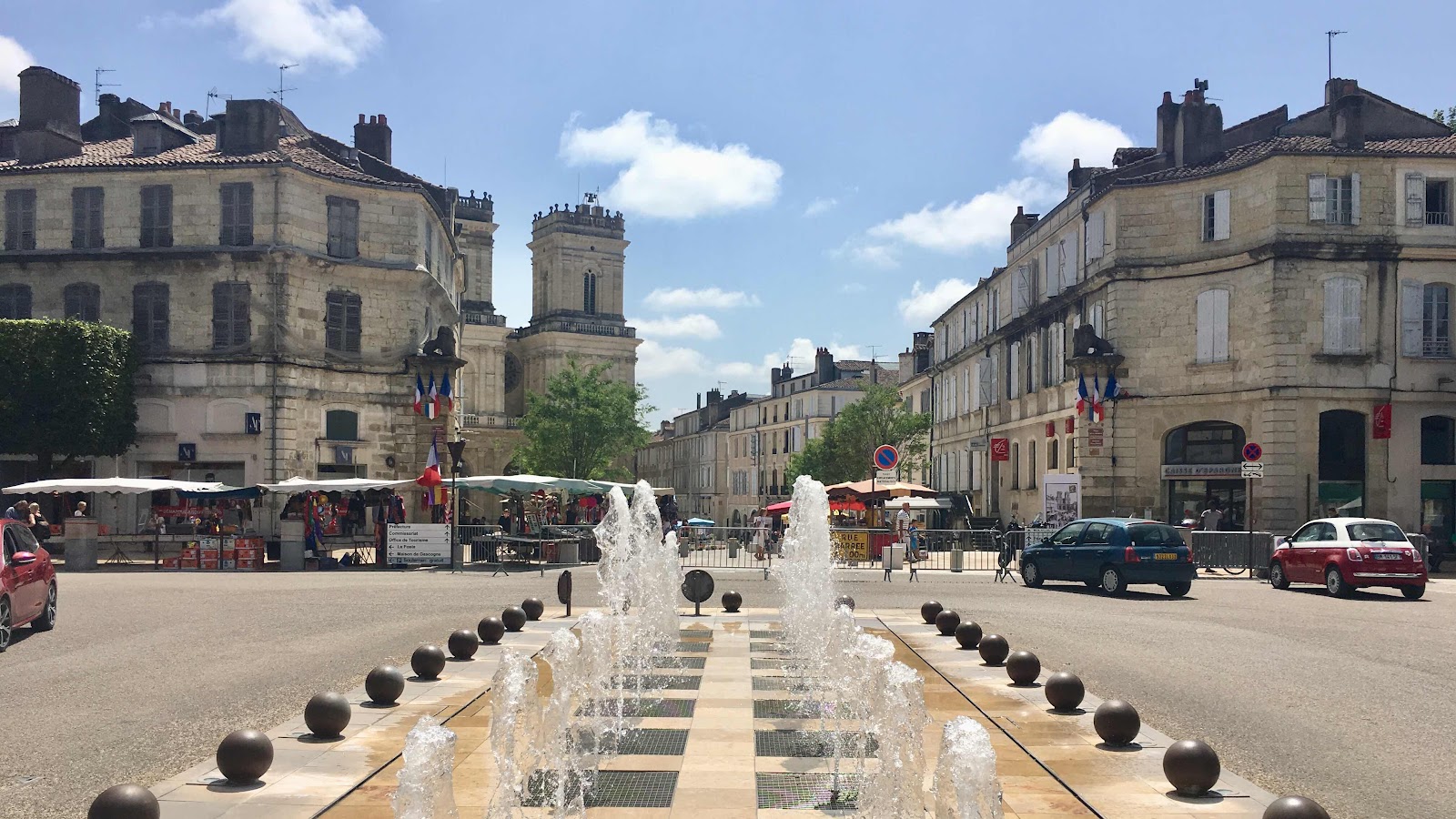
Libération Square in Auch
Our day started earlier than usual with an early morning walk into the centre of Fleurance, where the weekly market was getting underway in the old market square - how many of hundreds of years has this been going? Purchased a few items before returning to the van for breakfast. 
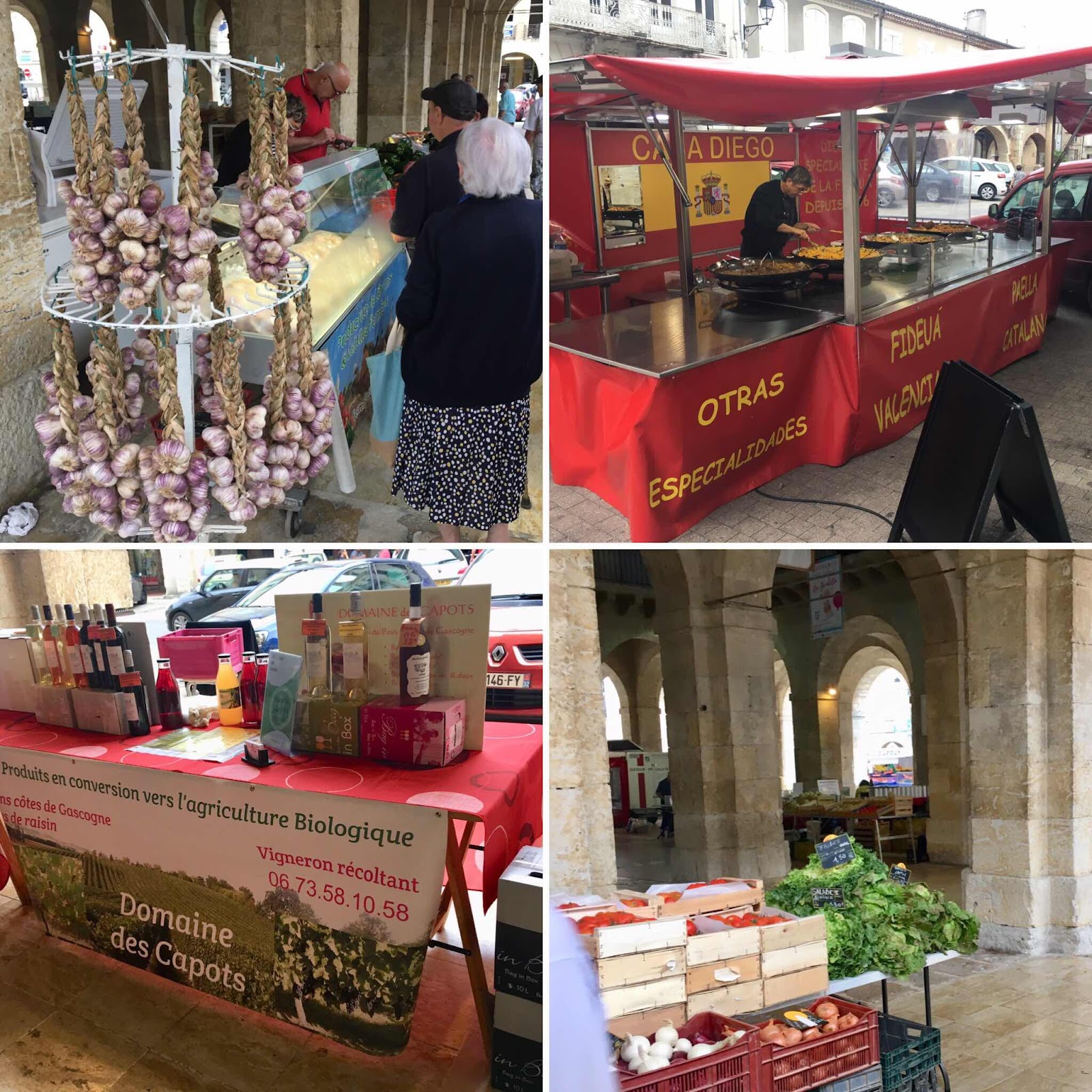
Saturday morning market in Fleurance. 
We got on the road at a reasonable hour arriving on Auch mid-morning. We passed through the newer part of the town before we crossed the river and climbed up into the old town on the outcrop overlooking the river Gers. 
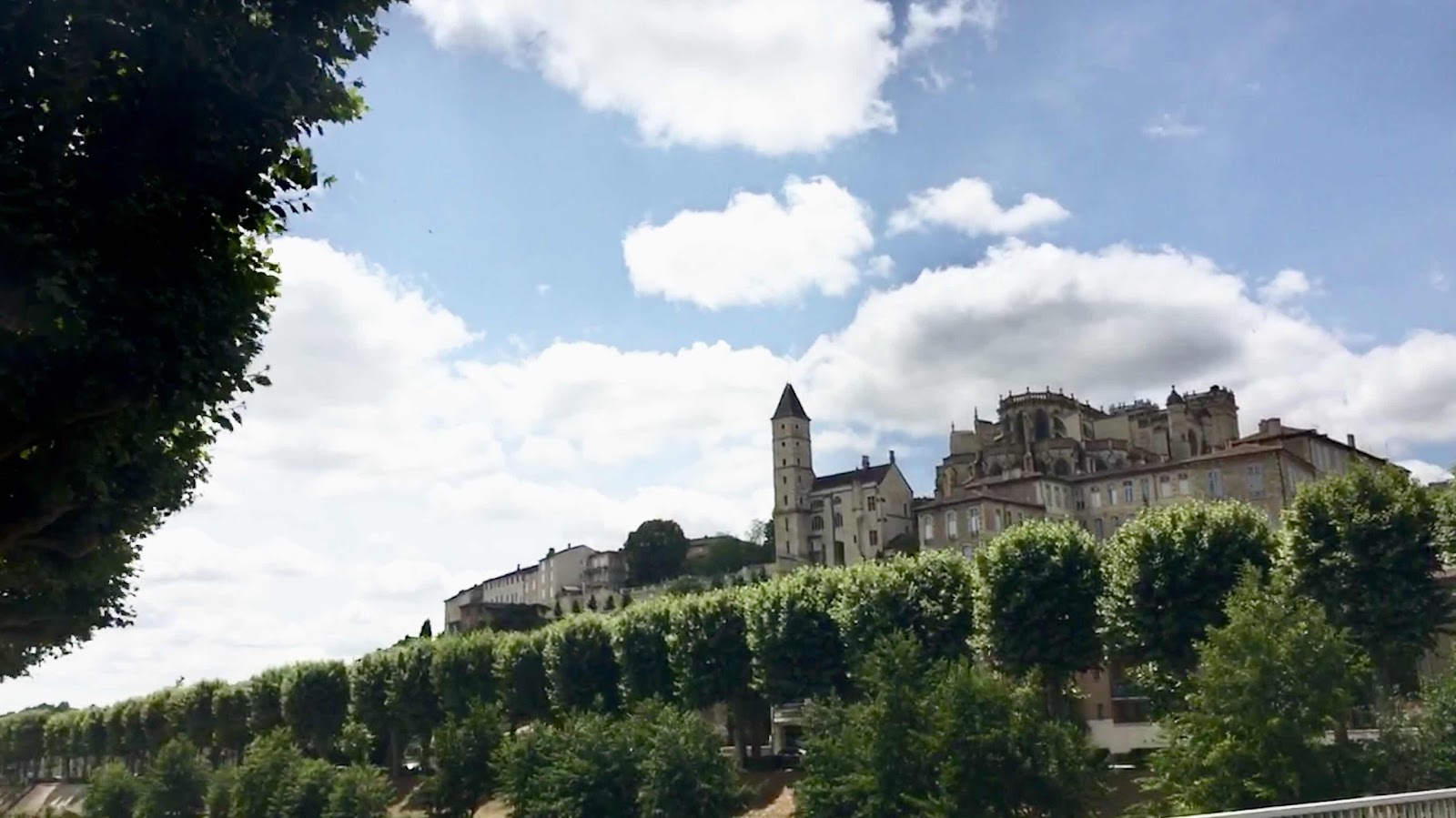

No sooner had we ventured into the old town we stumbled upon another market in the Républic Square in front of the cathedral.  


From the market we wandered into the restored late Gothic Cathédrale St Marie, begun
in 1489 - and completed 200 years later. The furnishings of the cathedral are considered remarkable: highlights are the carved wooden choir stalls and the equally magnificent 15th-century stained glass

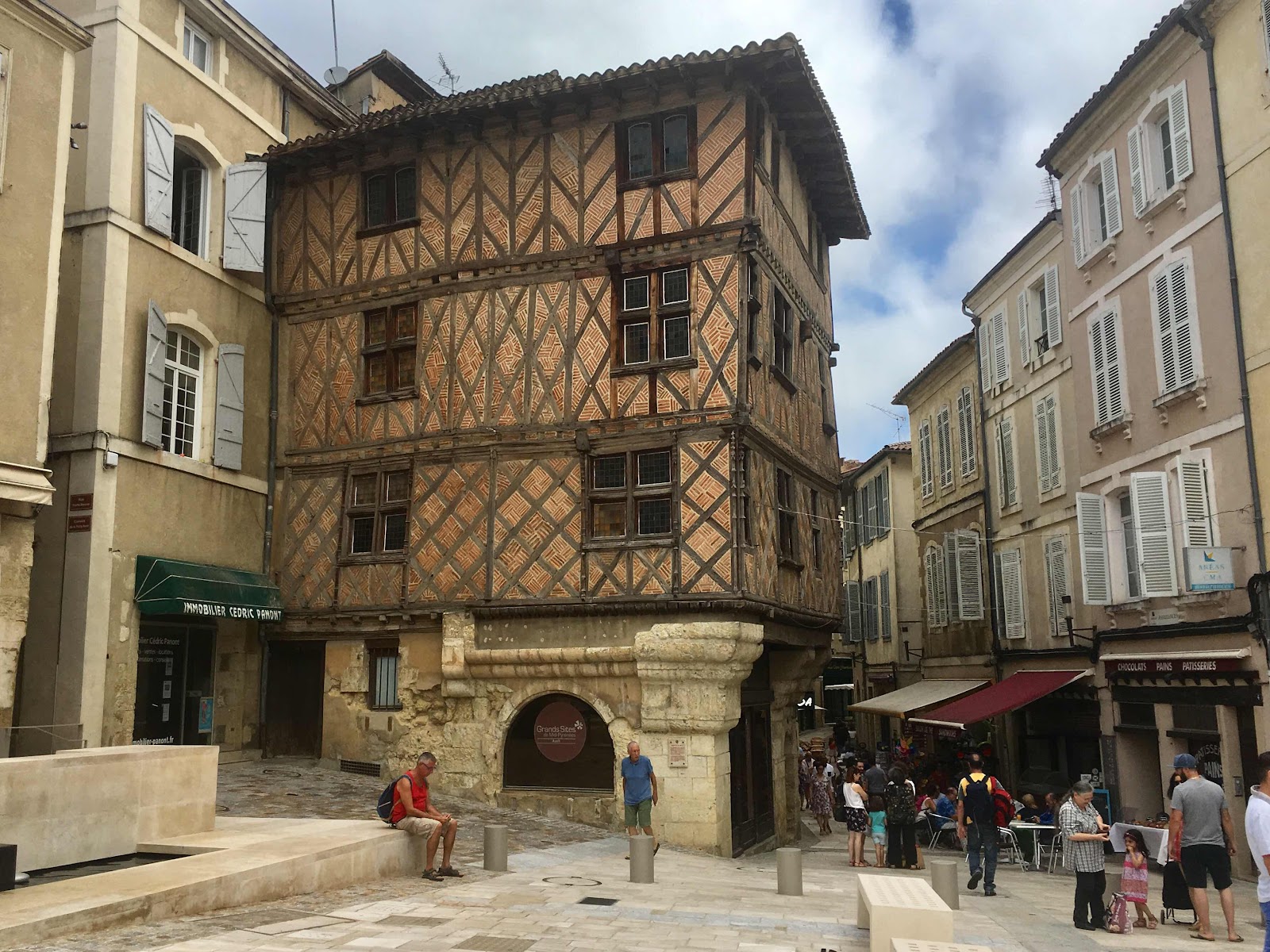
Auch went through an urbanisation program in the 18th century. Some fine houses from this period can be seen in the old town. One medieval house that wasn’t replaced was the 15th century tradesman’s house. This half-timbered house is a perfect example of the style of houses of the times. 

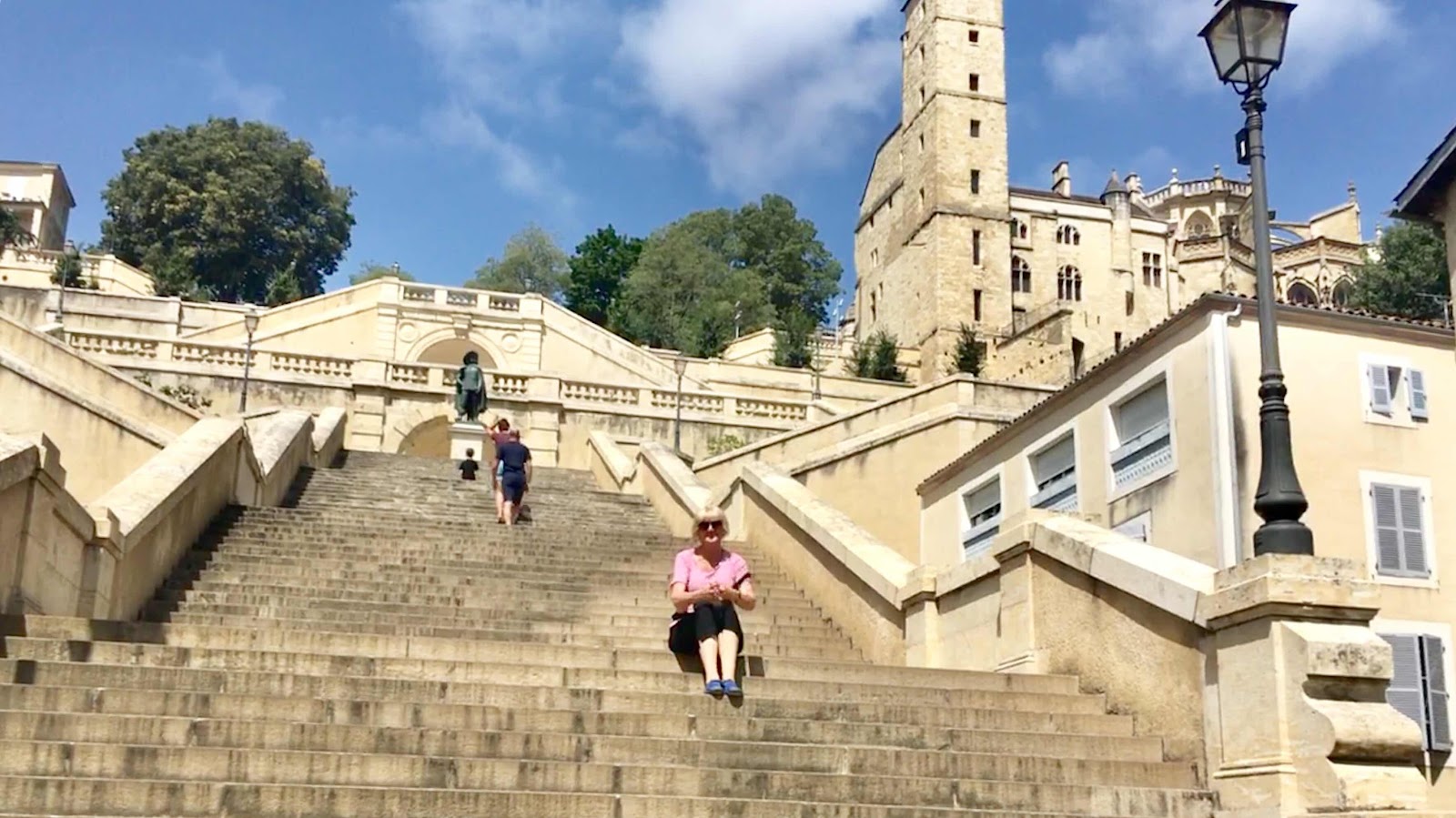
Steps from the river lead up to the old town - 274 in fact! Halfway up is the statue of d’Artagan, the captain of the king’s musketeers - a famous Gascon. 

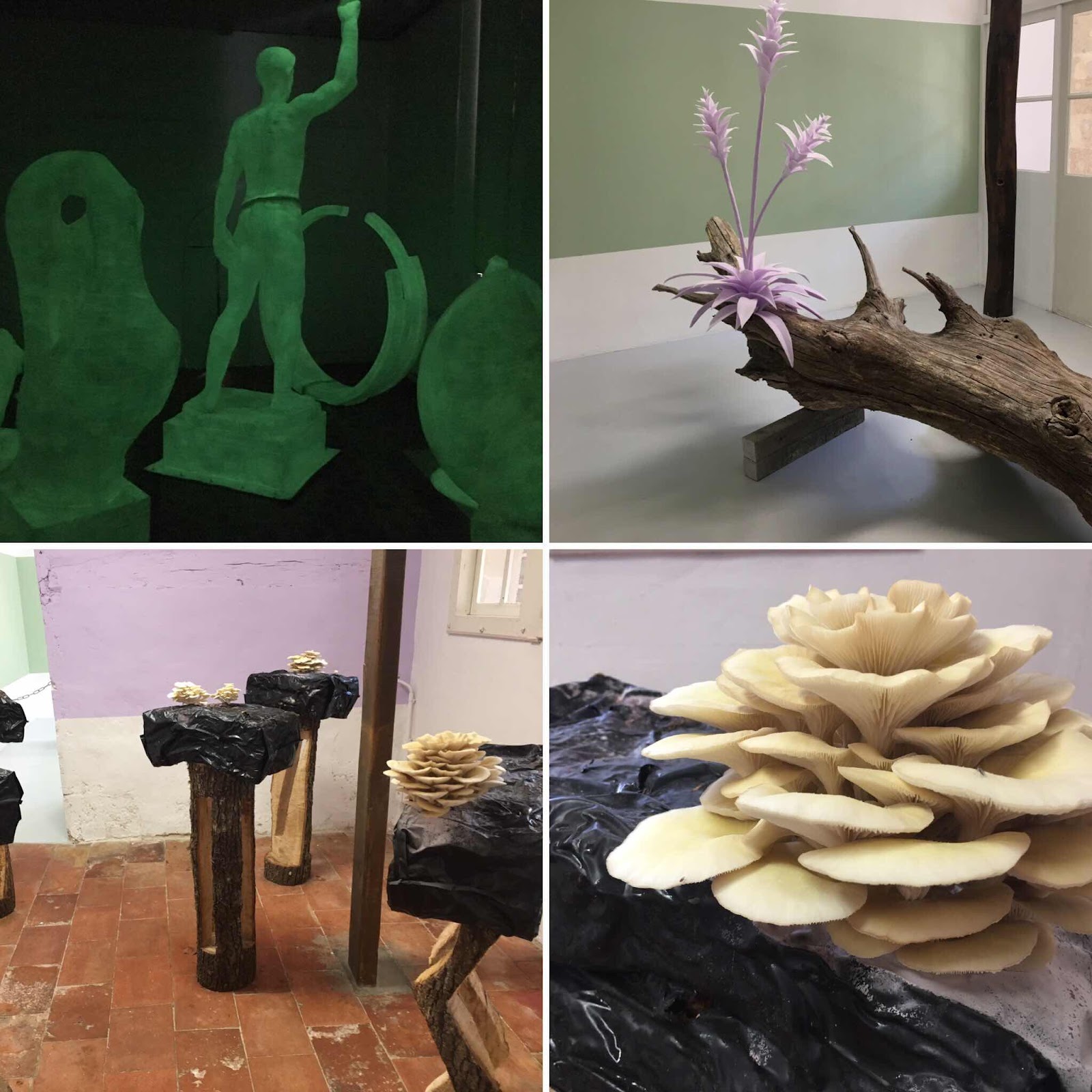
We later visited the Museum of Contemporary Art - located in an ancient convent. Interesting!

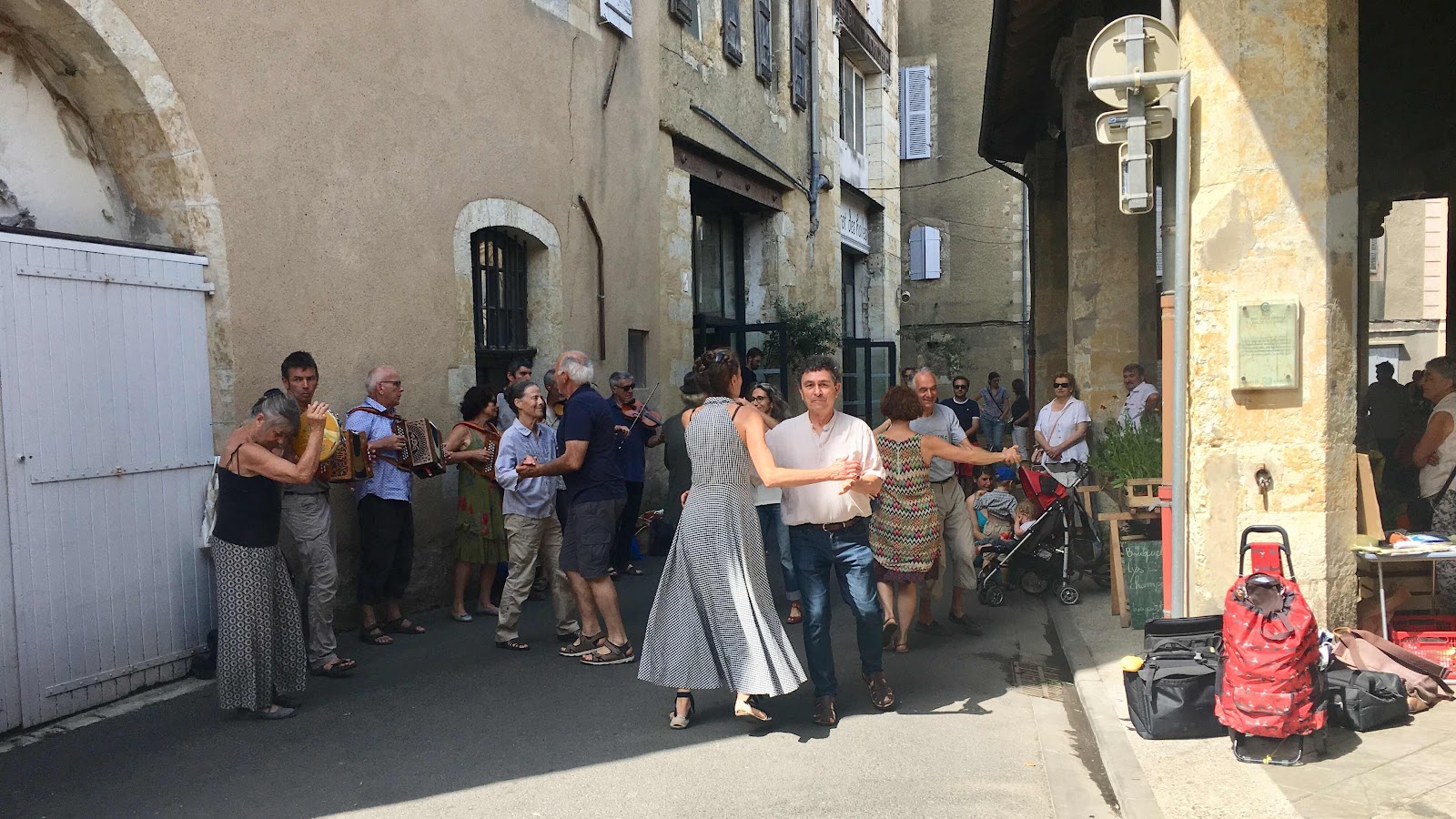
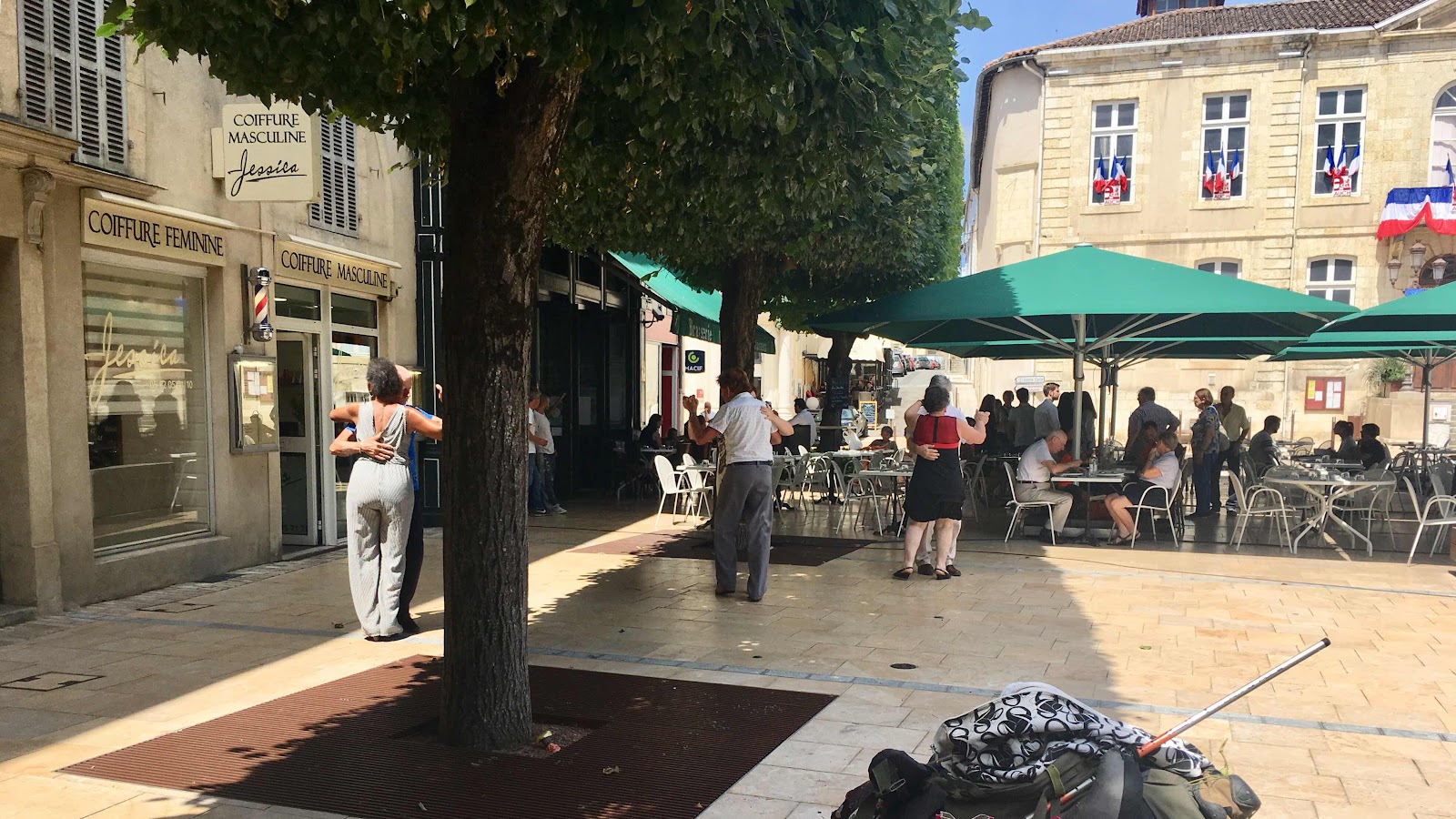
We came across other interesting activities around the town. 
Folk Music and Dancing:
Latin Dancing - Tango

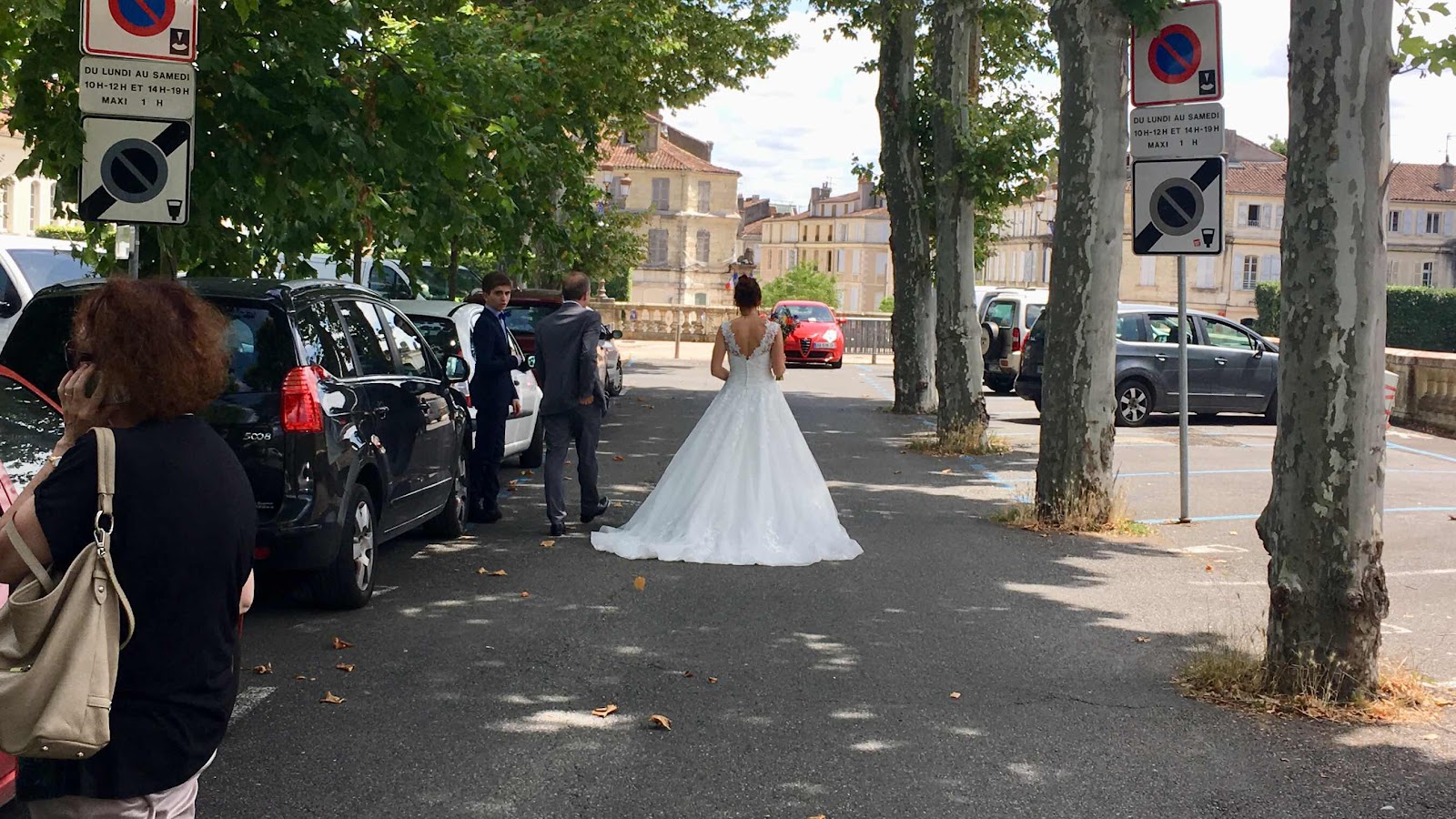
... and, of course, a wedding. 

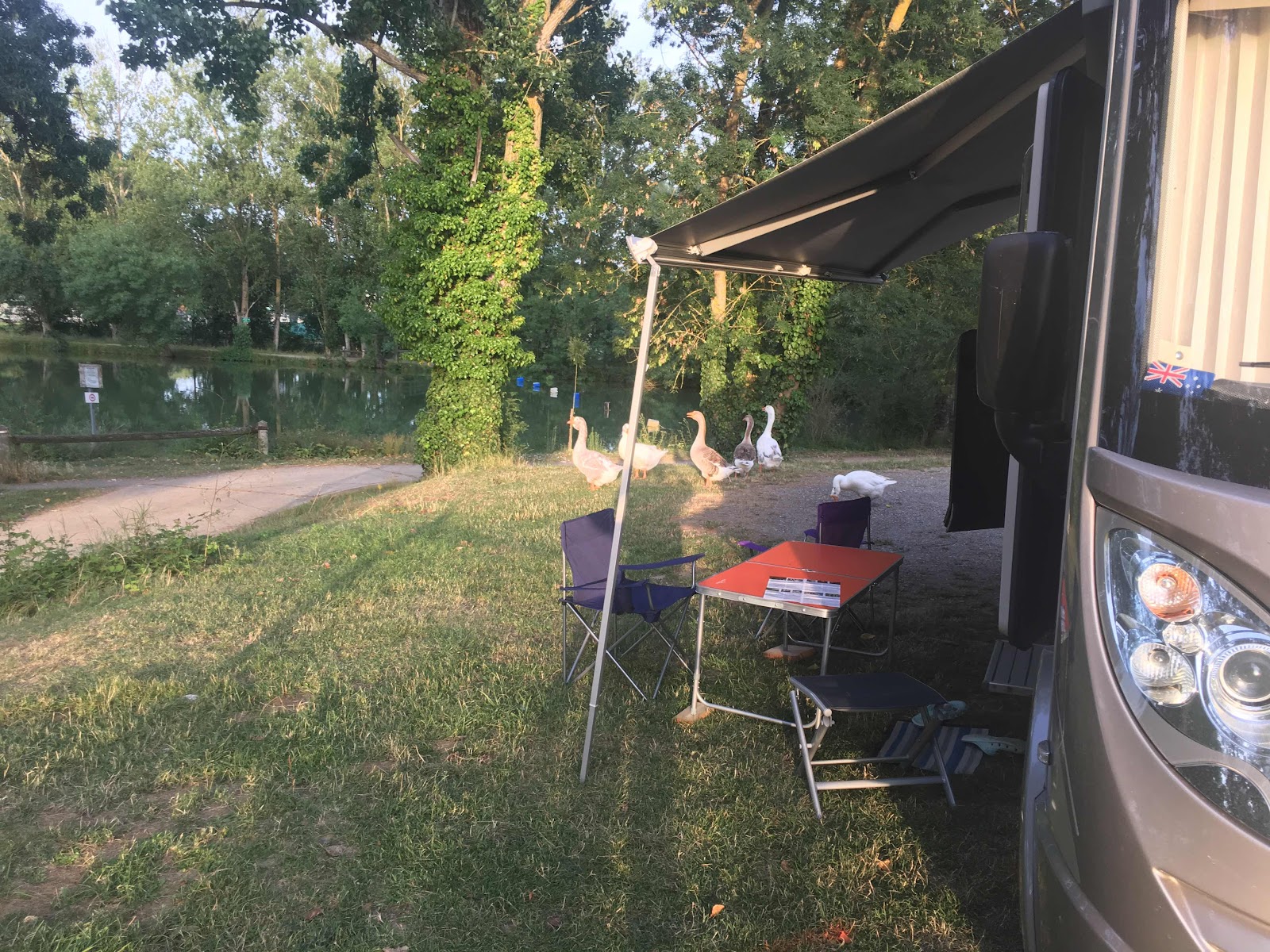
Later in the afternoon we drove on to Gimont where we parked up by the lake and settled in for the night. 

An interesting area along the rampart wall - a place set aside for “doggies do”!


Some notes on:

D’ARTAGNAN

Gascons call their domain the “Pays d’Artagnan” after Alexandre Dumas’ rollicking hero from The Three Musketeers (1844). The character of d’Artagnan was based on Charles de Batz, a typical Gascon whose chivalry, passion, and impetuousness made him ideal as a musketeer, or royal bodyguard. De Batz’s life was as fast and furious as that of the fictional hero, and he performed a feat of courtliness by arresting Louis XIV’s most formidable minister without causing the slightest offense. 

Friday, 12 July 2019

Fleurance

We decided to spend another day here at Fleurance - a great place to while away time. We are currently joined by about another 15 vans without being on top of each other. A very popular spot for the French.


A few notes on ARMAGNAC:
Armagnac brandy is distilled in the Gers Department of SW France. As opposed to  Cognac, which is dominated by big brands, Armagnac is made mostly by small family operations.
Armagnac is one of the world’s most expensive brandies. It is also one of the leading products of southwest France: approximately 6 million bottles are produced annually. Similar in style to Cognac, its more famous neighbor, Armagnac’s single distillation leaves more individual flavours in the spirit. The majority of small, independent producers offer direct sale to the public.

Thursday, 11 July 2019

Three Villages - Fourcès, Montréal & Larressingle

The day has been about our visits to three well preserved medieval villages. But before tackling these we said our farewells to Angela and Paul before heading off to Nérac to do a spot of shopping. 
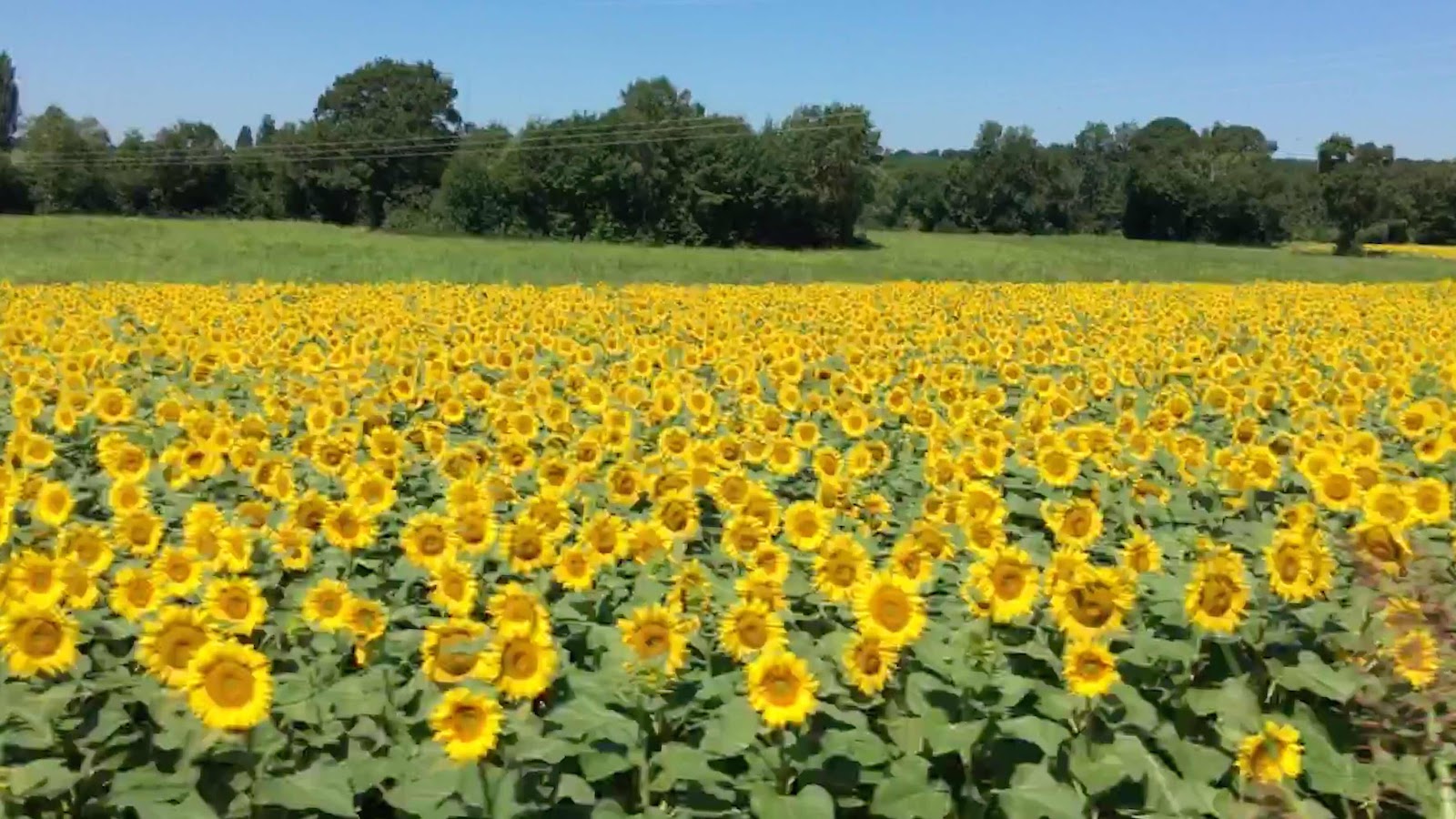
From here we traveled through some very different countryside, with cropping and vineyards complementing each other. The region is also renowned for its sunflowers, for seeds and oil. 


Each of the villages we called in on today are what are described as bastide villages. In the 13th century much of this part of France was in the hands of the English king. The Hundred Years  War saw much fighting by the kings of England and France, which inflicted great devastation across the land and villages of Aquitaine. We therefore see the villages being fortified in areas around Catholic Churches and bastides - fortified towns. 
Over 300 of these towns were designed and built in this era. 

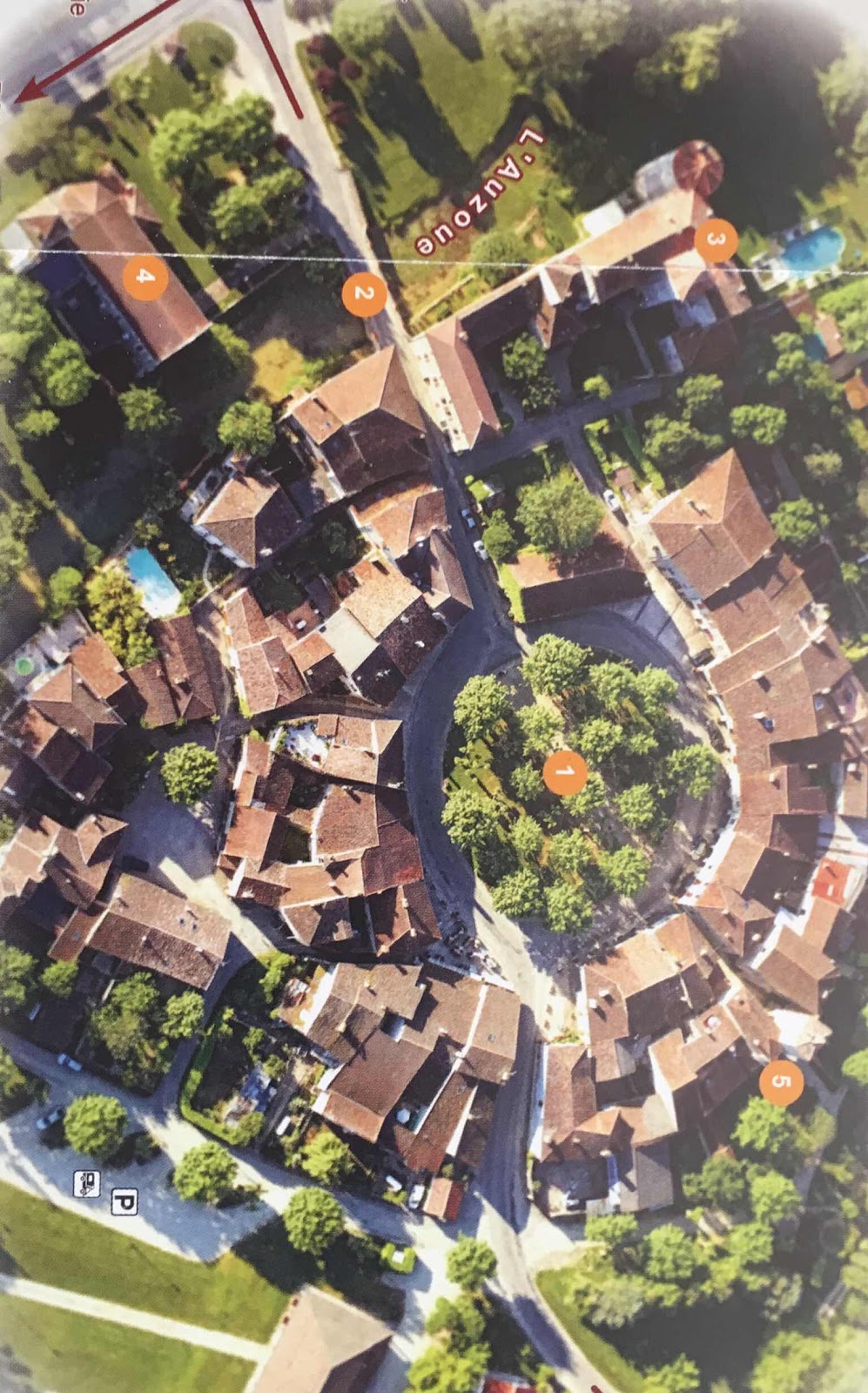
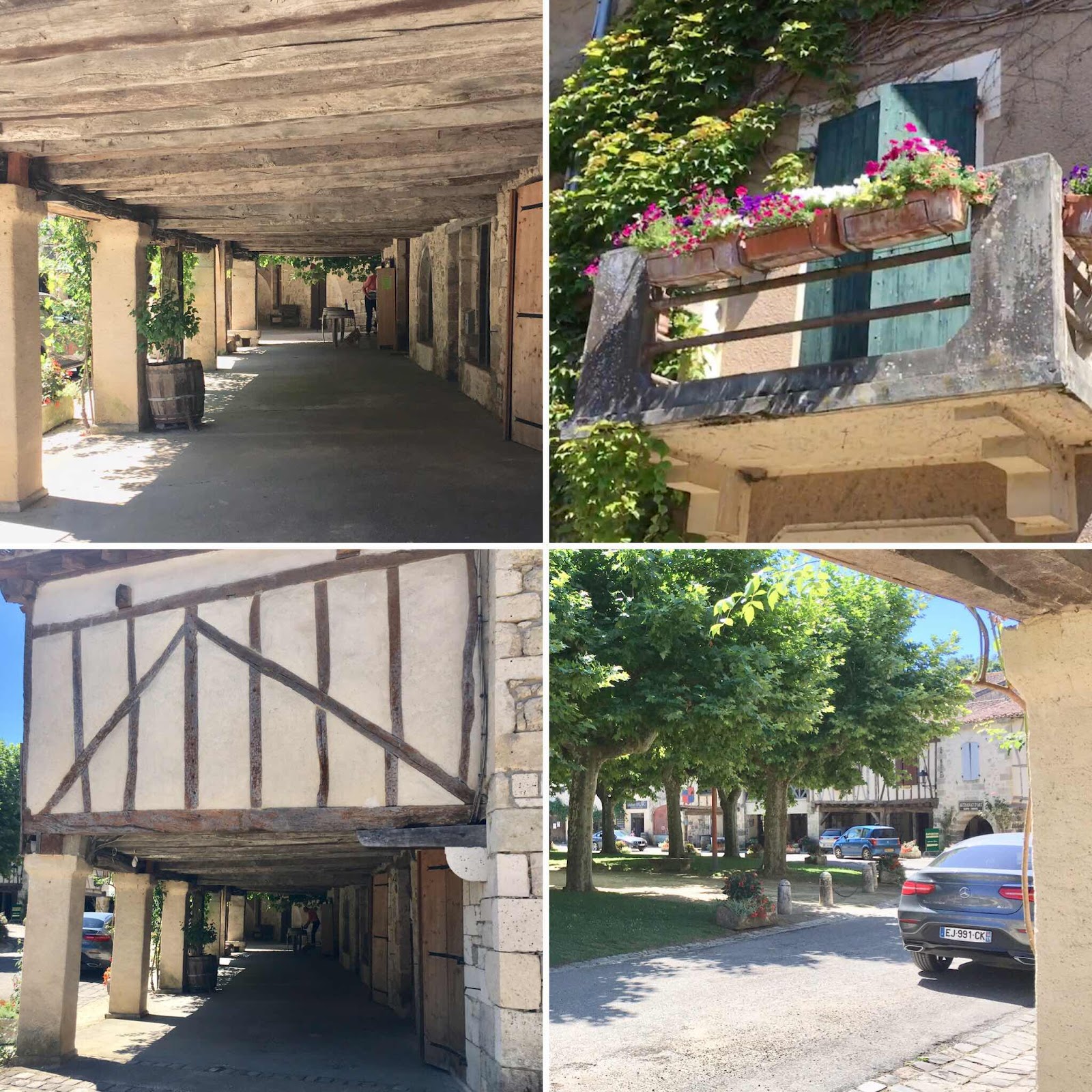
The first village we stopped in was Fourcès, a well preserved, beautifully presented, quaint,  small, circular, medieval village.  Fourcès is a typical medieval bastide, a little village where the houses are built in such a way as to allow a proper defence of the population.

An aerial view of Fourcès, a bastide village. 
The circular nature of the village suits this purpose ideally. Today it has retained its authentic look and draws many visitors to the area. There are many delightful galleries showcasing regional crafts and artworks all mostly situated around the central village green.

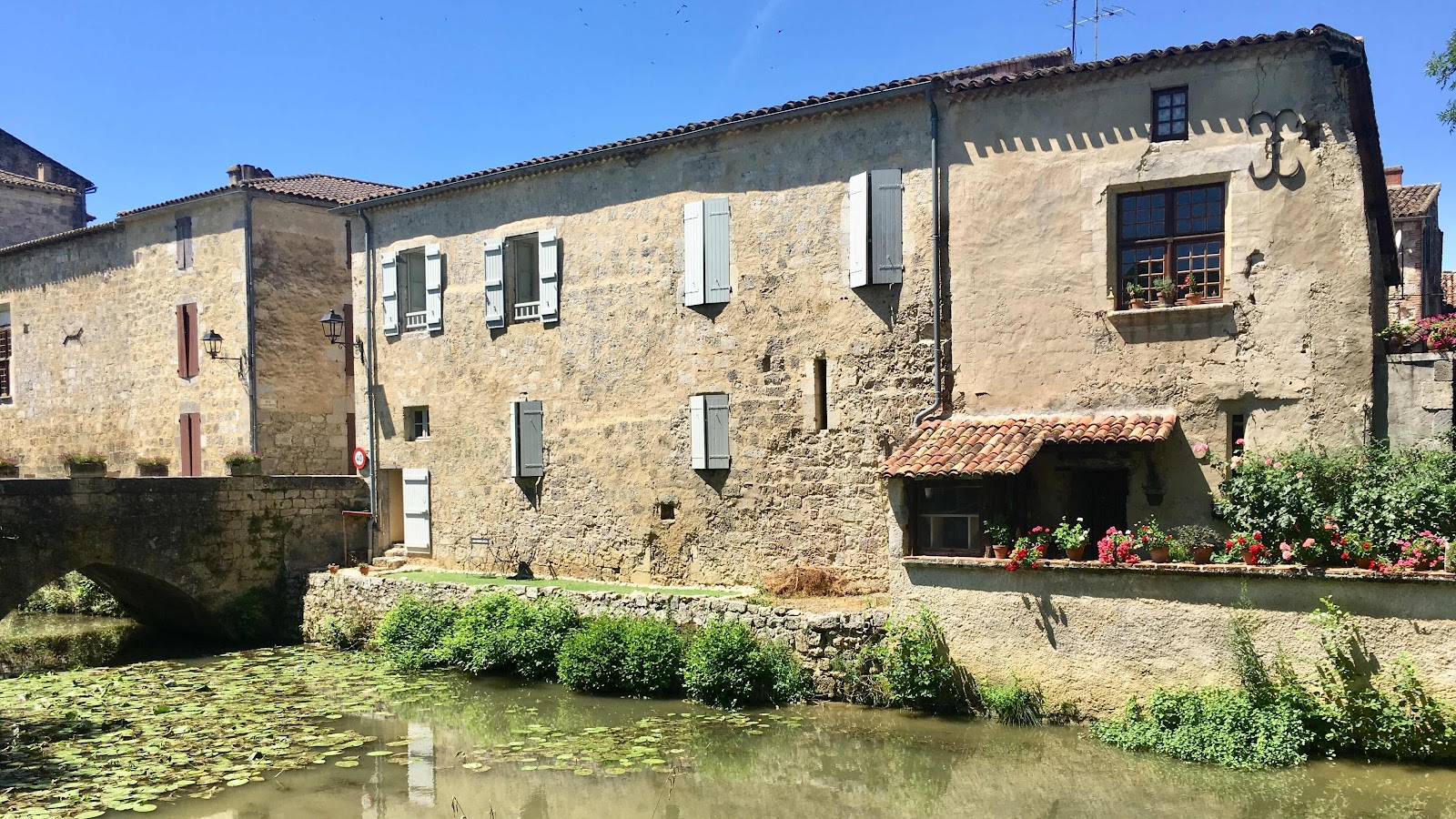
Out rim of house  surrounded by a moat. 


We left Fourćes for Montréal, another bastide village. We were given the run-around with sign posts not leading to where they said they were going- that sounds a little French, but there you are!
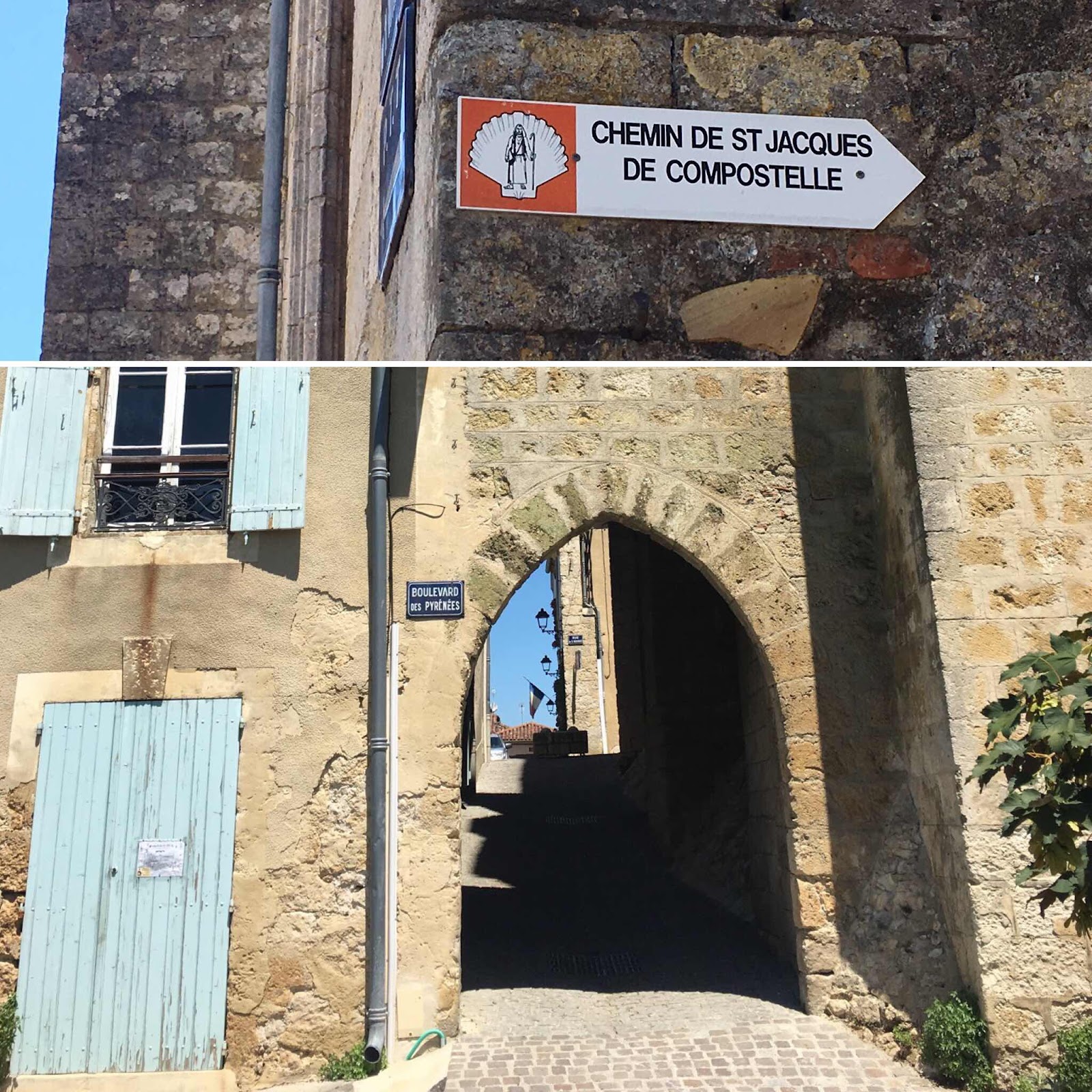
Montréal, another bastide village, perched on the top of the hill - providing a good defensive structure for the times in which it was built. Montréal was a stopping off point for medieval, and those of today, who were on the Santiago de Compostela pilgrimage. Signs at the church indicated a resting point for weary walkers. One such lady was sitting, having lunch and writing a diary as we walked by - and, with a big heavy pack!

The alleyway leading to the Santiago de Compostela walk - a long way to go too!

Features of the village reflect the constant state of mind of those living in the times of constant war. The EU is not such a bad alternative afterall!!

The outer wall of the village reflects the defensive nature of the community. 
From here we were led a merry dance by TomTom taking us a very obscure pathway to the fortified village of Larressingle - but we got there in the end. 

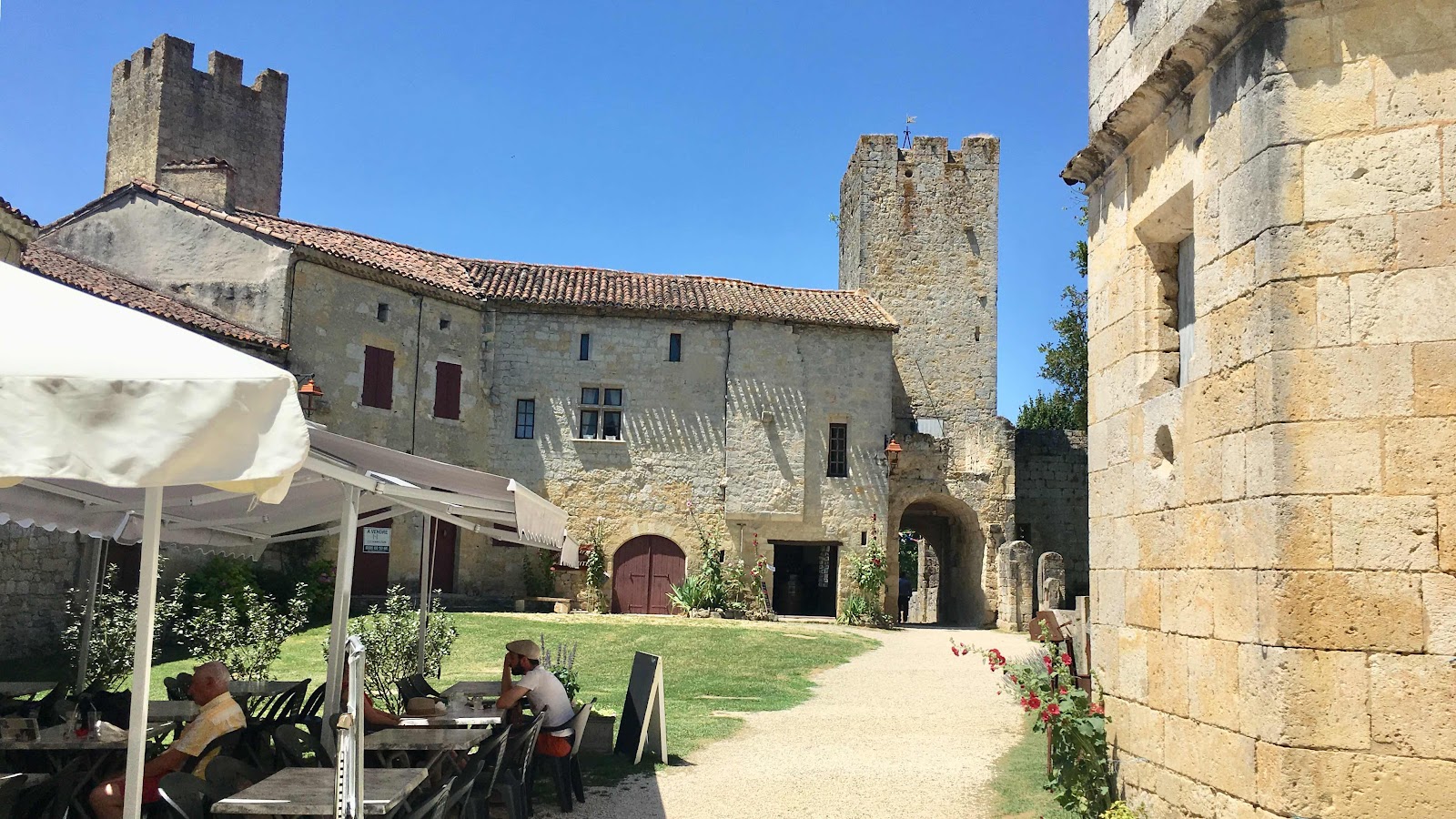
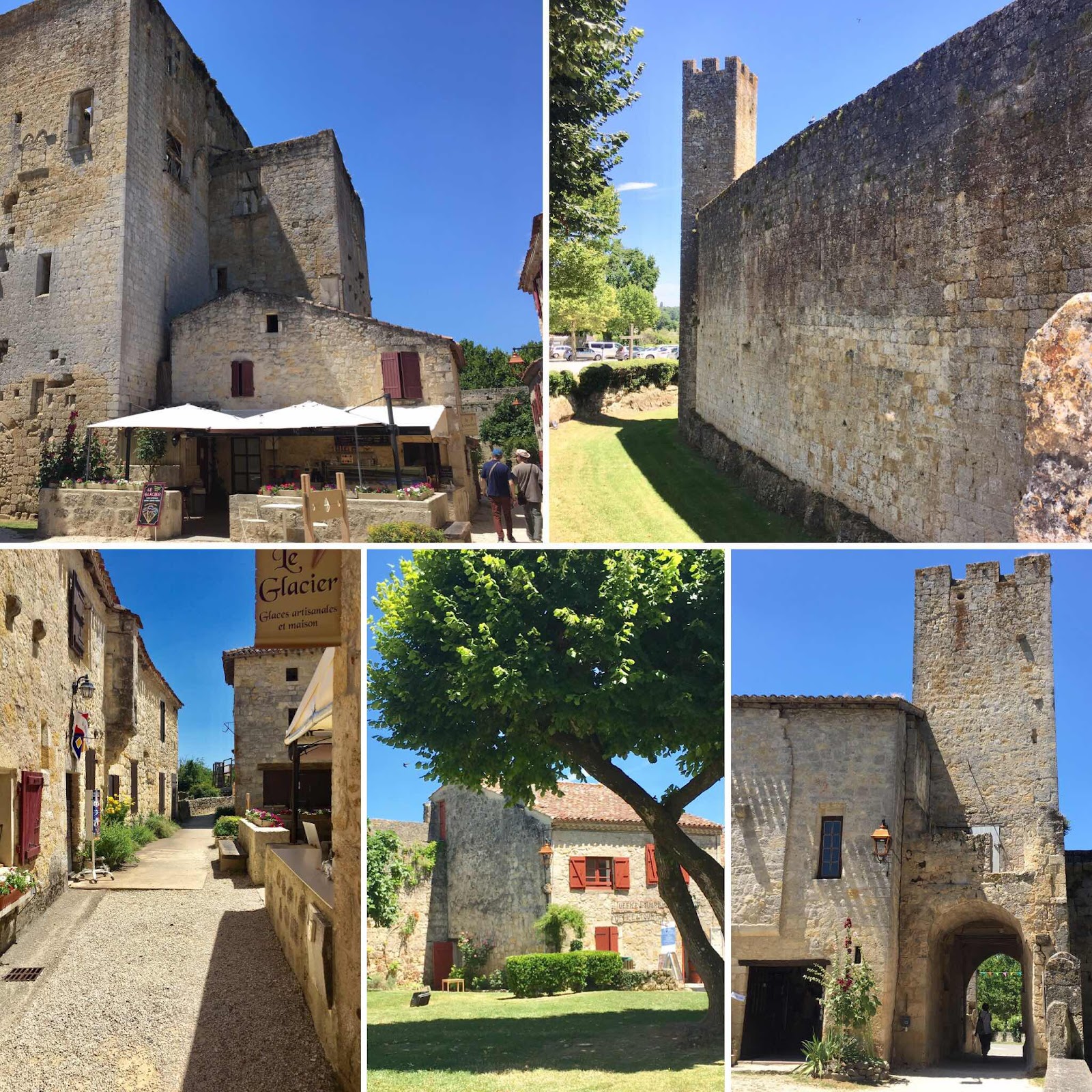
Internal area of the castle - heavy defensive walls. 


Some interesting art work around the shops inside the walled castle. 
Here we had a wander around for a short time - seen enough bastides for one day - before driving on to Condom - no not a typo! We decided not to stop for long here - the day was getting too warm and the aire de camping had no shade!
Condom, though, has some interesting history. The 18th century saw the prosperity of the village rise due to being the centre of the Armagnac trade, France’s oldest brandy. 
We drove onto Fleurance for our overnight stop. And, what a lovely place, right next to the river and with plenty of trees around providing shade. 


And one more sunflower photo!


Hobart, Tasmania, Australia